The Tools Aren’t the Problem
October 5, 2026


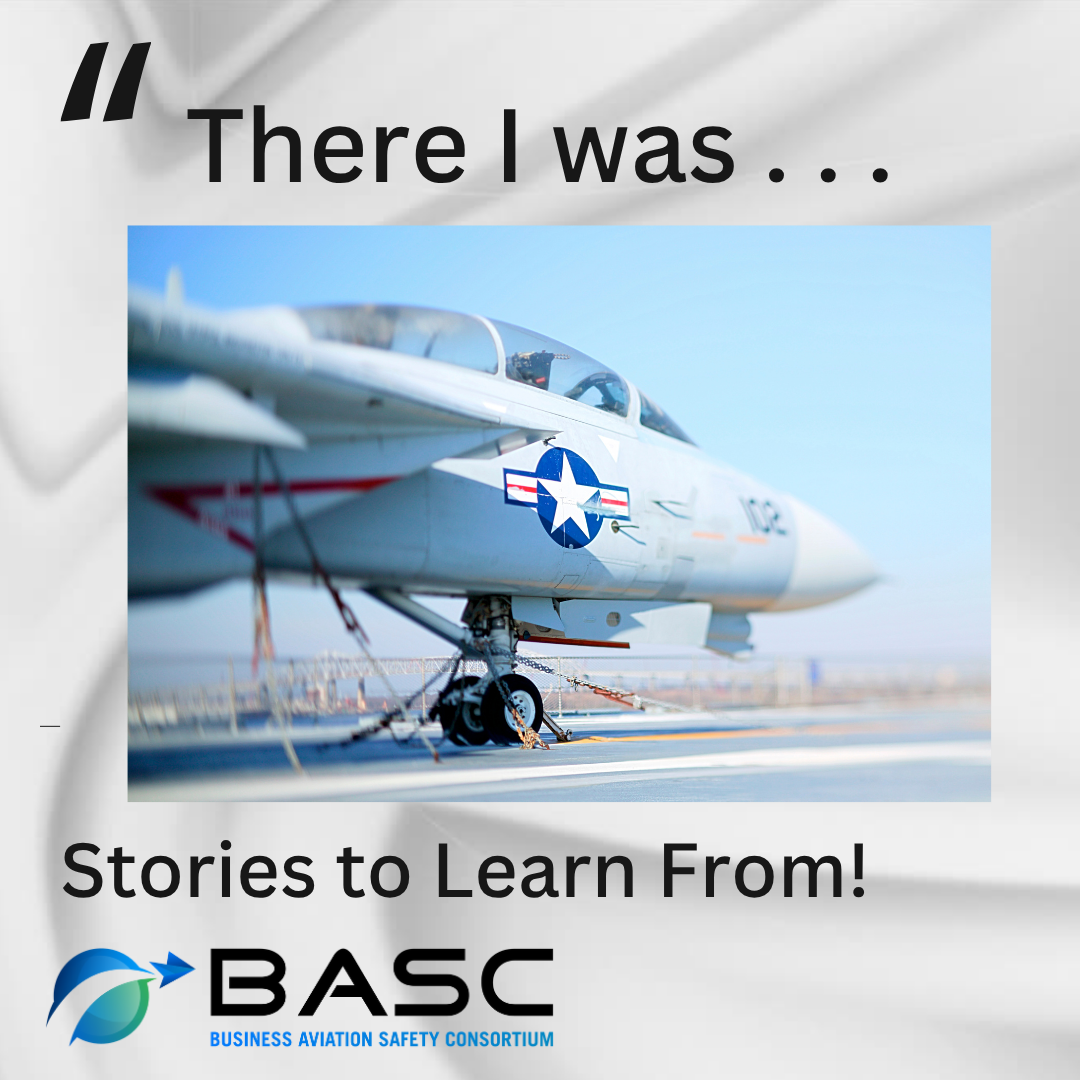
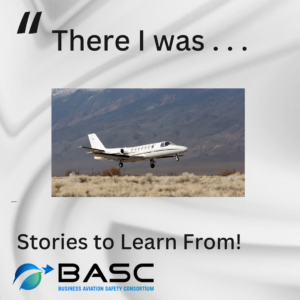
During a training flight, I was leading a two-ship formation back from an upgrade sortie that had to return early due to a fuel issue with the other aircraft. The weather was marginal — low clouds with tops extending up high — and I was flying a radar-assisted instrument trail back to base to fill an upgrade square and squeeze in a few approaches for proficiency.
Breaking out of the weather on the instrument landing system approach, I executed my climb-out for another pattern while my wingman planned to full-stop. As I retracted the gear and flaps just below the cloud deck, I saw a large bird off my right side getting bigger in the canopy — no relative movement. Less than a second later there was a heavy thump followed by the engine warning system announcing an overtemperature on the right engine.
I immediately retarded the right throttle to idle, noted the overtemperature reading, and saw bird feathers on the right intake. It was obvious a bird had been ingested. I leveled off just below the weather with reduced thrust when the tower called, “Your left engine is on fire.”
From my perspective, all cockpit indications showed the left engine was fine — normal throttle response, no fire lights. I tested the left throttle, which responded normally. When I pushed the right throttle up again it sounded like a spoon in a blender, so I quickly brought it back to idle and shut the right engine down.
I declared an emergency and set up for a single-engine approach. The subsequent pattern and landing were uneventful.
Post-flight inspection revealed the right engine had ingested a large bird of prey. Fan blades exited through the lower engine casing, and one blade even liberated toward the other engine but was stopped by the firewall between them. The tower’s call about the “left engine fire” was actually the flames from the compressor stall of the right engine, which, because of the aircraft’s position relative to the tower, looked like the left engine was on fire.
Bottom Line
Take the extra few seconds to analyze your situation before making a critical decision. Had I shut down my left engine based solely on the tower’s call, I would have created a dual-engine-out scenario and been seconds away from an unnecessary ejection.